

As sustainability continues to dominate global discussions, energy-efficient appliances are becoming a cornerstone of modern living. These devices not only reduce your carbon footprint but also save money on energy bills while ensuring optimal performance. In this comprehensive guide, we delve into the best energy-efficient appliances for 2025, exploring their features, benefits, and the latest trends shaping this sector.
Why Energy Efficiency Matters
Environmental Impact
Energy-efficient appliances play a crucial role in reducing greenhouse gas emissions. With advancements in technology, these appliances consume significantly less power, contributing to a more sustainable future. By adopting energy-efficient products, households can align with global efforts to combat climate change.
Economic Benefits
Switching to energy-efficient appliances translates to substantial savings on utility bills. Many governments also offer rebates, tax credits, and incentives for choosing these eco-friendly options, making the initial investment worthwhile.
Enhancing Home Value
Homes equipped with energy-efficient appliances are increasingly attractive to buyers. Energy efficiency is no longer a luxury but a necessity, making it a smart choice for homeowners looking to boost resale value.
How Energy Efficiency is Measured
Understanding Energy Star Ratings
Energy Star-certified appliances meet stringent energy efficiency criteria set by the U.S. Environmental Protection Agency. Look for this label to ensure you’re purchasing appliances that meet high standards of efficiency and performance.
Annual Energy Consumption l Appliances
Modern energy-efficient appliances consume up to 50% less energy than their traditional counterparts, significantly reducing both environmental impact and operating costs.
Top Categories of Energy-Efficient Appliances for 2025
Refrigerators and Freezers
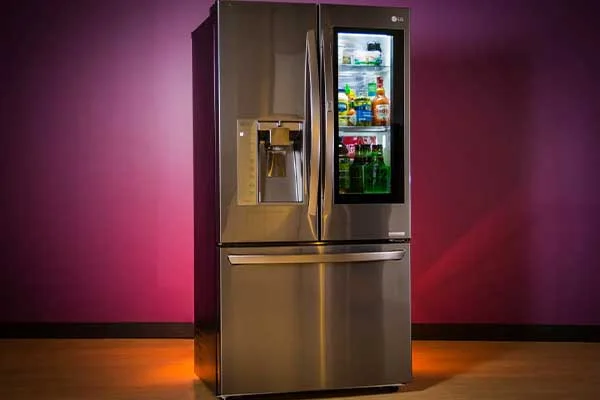
Refrigerators have evolved with advanced insulation, precise temperature controls, and smart sensors. Models with inverter compressors are particularly energy-efficient, adjusting cooling performance based on the contents of the fridge.
Washing Machines and Dryers
Front-loading washing machines use less water and energy than top-loading models. Heat pump dryers, a newer innovation, are incredibly efficient, using warm air recycling to dry clothes.
Dishwashers
Modern dishwashers are designed with smart sensors that adjust water usage based on the load. Many models also offer eco-cycles for enhanced efficiency.
HVAC Systems
High-efficiency heating, ventilation, and air conditioning systems (HVAC) are essential for modern homes. Smart thermostats and zoned systems reduce energy consumption while maintaining comfort.
Water Heaters
Tankless water heaters heat water on demand, eliminating standby energy losses. Hybrid water heaters and solar-powered models are excellent choices for eco-conscious consumers.
Kitchen Appliances
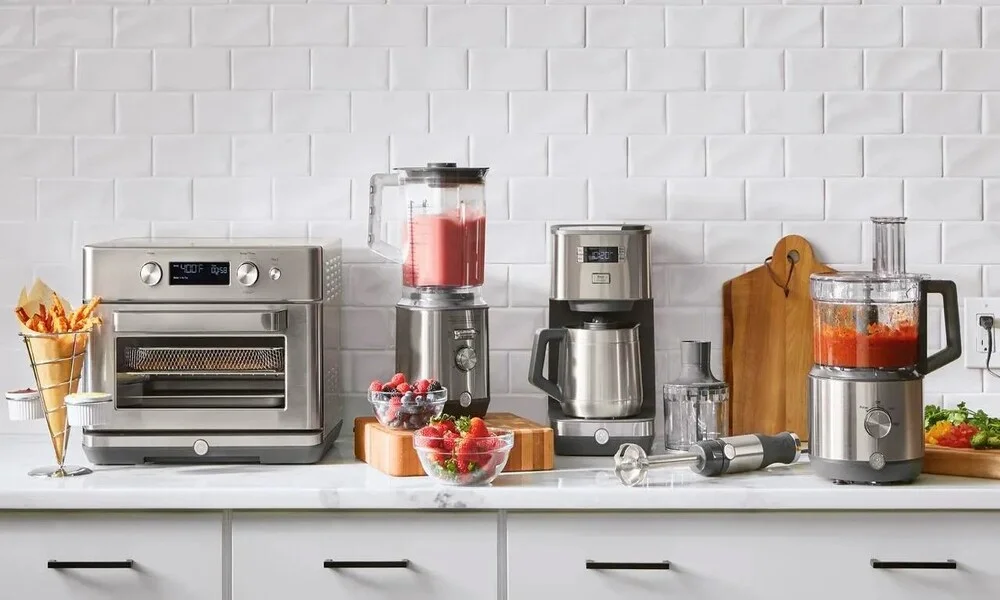
Induction cooktops are revolutionizing cooking with precise heat control and energy efficiency. Convection ovens and smart microwaves further enhance sustainability in the kitchen.
Home Entertainment Systems
Energy-efficient TVs and sound systems with low standby power consumption are ideal for reducing energy waste. Features like automatic power-down add convenience and efficiency.
Smart Home Devices
Smart appliances integrate seamlessly into home ecosystems, optimizing energy use. These devices can be controlled remotely, providing insights into energy consumption and enabling proactive energy management.
Emerging Trends in Energy-Efficient Appliances
Smart Integration
IoT-enabled appliances are leading the charge, allowing users to monitor and control energy use via smartphones. Smart technology ensures appliances operate at peak efficiency.
Renewable Energy Compatibility
Appliances designed to work with solar panels and renewable energy sources are gaining popularity. These devices ensure seamless integration with sustainable energy systems.
Sustainable Manufacturing
Manufacturers are adopting eco-friendly practices, such as using recycled materials and reducing waste in production processes.
AI-Powered Features
Artificial intelligence is enabling predictive maintenance and adaptive energy management. Appliances learn usage patterns and adjust performance for maximum efficiency.
How to Choose the Best Energy-Efficient Appliances
Assessing Household Needs
Evaluate your energy consumption patterns to identify which appliances need upgrading. Prioritize devices with the highest energy use.
Reading Energy Labels
Understand energy labels to make informed decisions. Look for details like annual kWh consumption and efficiency ratings.
Budget Considerations
While energy-efficient appliances may have higher upfront costs, their long-term savings often outweigh the initial investment.
Warranty and Maintenance
Choose appliances with robust warranties and consider maintenance needs to ensure sustained efficiency.
Government Policies and Incentives
Tax Credits and Rebates
In 2025, many governments are expanding programs to encourage energy-efficient purchases. These incentives reduce the financial burden of upgrading.
Regulatory Standards
Federal and state regulations are increasingly emphasizing energy efficiency, setting new benchmarks for appliance performance.
Utility Provider Incentives
Local utility companies often provide rebates or discounts for households using energy-efficient devices. Check with your provider for available programs.
Top Brands and Models to Watch in 2025
Refrigeration Leaders
Brands like LG, Samsung, and Bosch are leading the way with advanced cooling technologies and energy-efficient designs.
Laundry Appliance Front-Runners
Whirlpool and Electrolux offer models that prioritize water and energy savings without compromising cleaning power.
Cutting-Edge Kitchen Innovations
GE Appliances and Miele are introducing energy-efficient ovens and dishwashers with smart connectivity and eco-friendly cycles.
HVAC Excellence
Carrier and Trane are delivering high-efficiency heating and cooling systems with innovative features like variable-speed compressors.
Smart Devices
Nest, Ecobee, and other smart home leaders are integrating energy-saving technologies into appliances.
Tips for Maintaining Energy Efficiency
Regular Maintenance
Clean and service appliances regularly to ensure optimal performance. For instance, clean refrigerator coils and replace HVAC filters as needed.
Usage Best Practices
Operate appliances during off-peak hours and use energy-saving modes when available.
Upgrading at the Right Time
Replace outdated appliances with modern energy-efficient models to maximize savings and performance.
Conclusion
Energy-efficient appliances are the future of sustainable living. By investing in the right products, you can save money, reduce your carbon footprint, and enjoy cutting-edge technology. Embrace the shift towards energy efficiency today for a greener tomorrow.